Your Preferred General Contractor for Superior Home Upgrades
A reliable construction professional serves an vital role in residential renovations. Their knowledge ensures work are completed with accuracy and attention. By concentrating on superior materials and workmanship, they improve both appearance and worth. Clear dialogue and careful planning are crucial for a smooth process. However, many property owners miss key factors when choosing a builder. Understanding what to emphasize can create all the difference in achieving a successful renovation. What should homeowners consider first?
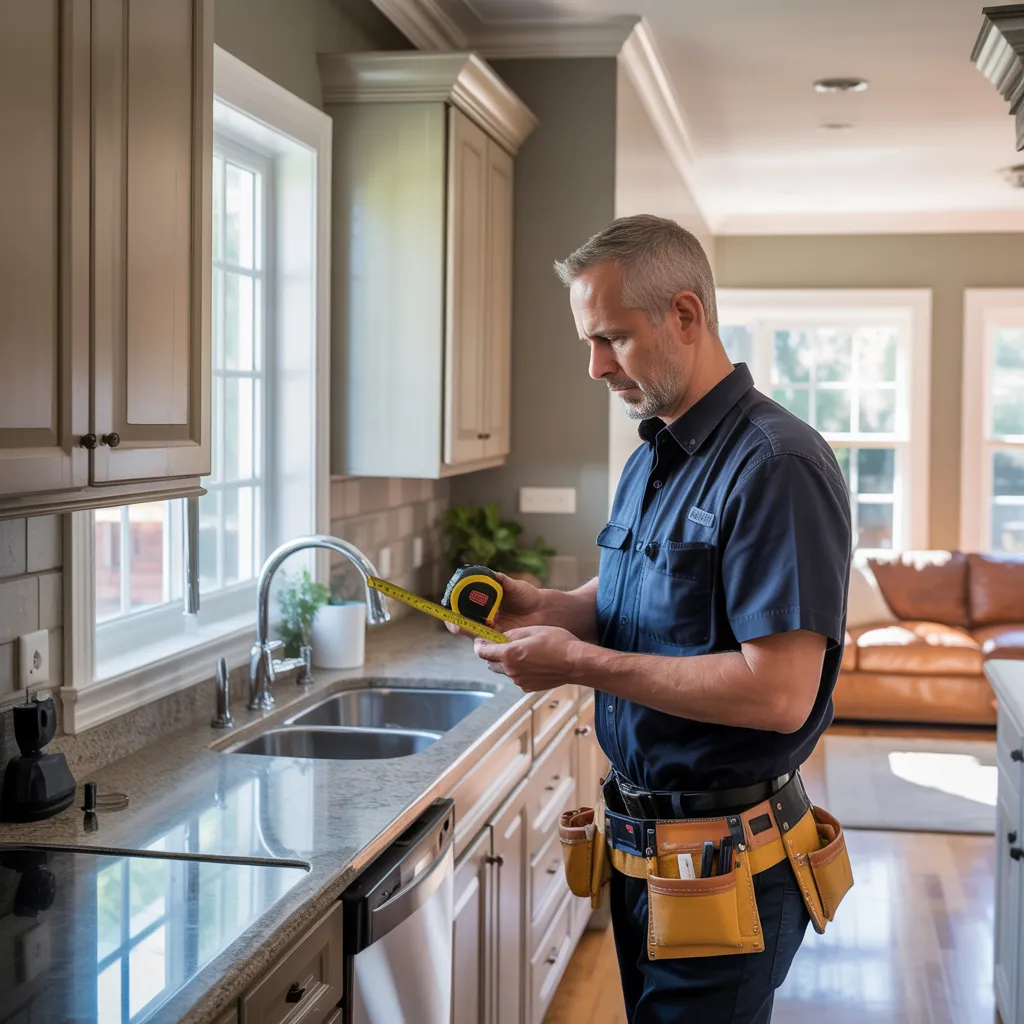
What to Look For in a Reliable General Contractor
When commencing a home renovation project, how can one ensure they select a reliable general contractor? First, people should seek recommendations from friends, family, or internet reviews to identify potential candidates. It is important to check qualifications, encompassing licenses and insurance, ensuring the contractor meets local regulations. Next, assessing past work through portfolios or references offers insights into the contractor's skill and trustworthiness.
In addition, sourcing multiple estimates can support in gauging reasonable fees and building timelines. Communicative skills are also essential; a contractor should be approachable and responsive to messages. Moreover, a sound contract detailing project scope, timelines, and payment structure protects both involved groups. In the end, trust your gut; if a service professional appears to be lacking in professionalism or vague, it may indicate downstream complications. By keeping to these recommendations, homeowners can significantly increase their prospect of hiring a dependable general contractor, culminating in triumphant home modernization endeavors.
Why a Local General Contractor Represents Your Best Preference
Opting for a local service provider can greatly improve the achievement of home improvement projects. Local professionals hold invaluable understanding of the community, including construction codes, regulations, and zoning laws, maintaining adherence and productivity. Their strong relationships with vendors and subcontractors can provide superior pricing and ready availability to supplies and experienced professionals.
Moreover, local professionals often have a reputation to copyright within the locality, driving them to deliver quality performance. This sense of accountability fosters reliance and confidence among dwelling owners.
In addition, nearness allows for clearer communication and quicker response times, which can be necessary during a project. Homeowners can also seek referrals from neighbors who have previously worked with the contractor, providing peace of mind. Overall, choosing a local general contractor not only supports the community but also strengthens the overall quality and experience of home improvement endeavors.
A Detailed Step-by-Step Guide for Your Home Improvement Journey
Starting a household renovation project requires deliberate preparation and precise implementation. Establishing a project timeline is crucial to guarantee that tasks are completed efficiently, while sourcing quality materials can substantially affect the final outcome. This instruction manual will present these vital steps to aid homeowners work through their renovation experience productively.
Design Your Project Timeline
A properly designed renovation timeline is important for achieving quality home renovations, confirming that each phase is performed productively. To commence, homeowners should define the project's scope, specifying particular goals and expected outcomes. After that, they should speak with their general contractor to set up a realistic timeframe based on the project's complexity and required tasks. Separating the project into manageable parts enables for better tracking and adjustments as needed. It is also vital to account for unexpected delays, such as seasonal changes or supply chain issues, which could affect the timeline. Regular check-ins with the contractor can assist in keeping the project moving forward. In conclusion, a clear schedule fosters communication and clarifies expectations, resulting in a more efficient home improvement journey.
Finding High-Quality Resources
picking superior products significantly impacts the success of domestic enhancement undertakings. To commence, homeowners must determine the specific demands of their undertaking, taking into account aspects such as resilience, design quality, and financial plan. Studying various component options is essential; this encompasses understanding the strengths and disadvantages of each option. Connecting with practitioners can offer useful information into reliable brands and providers.
Next, homeowners access now should request material samples to evaluate the look and feel of materials firsthand. Shopping around for prices across different suppliers can help guarantee affordable rates without compromising quality. Finally, confirming that materials comply with local building codes is essential for protection and adherence to standards. By thoughtfully selecting materials, homeowners can enhance both the lifespan and visual appeal of their upgrades, ultimately adding value to their property.
Share Your Vision Like a Pro
Successful home improvements often turn on the ability to express a clear vision. Homeowners should express their perspectives, predilections, and suppositions, ensuring that they convey their aspirations effectively to their general contractor. A well-defined framework not only helps in synchronizing the contractor's plans with the homeowner's goals but also streamlines the decision-making process.
Sketches or mood boards, as visual aids, can substantially boost communication. They provide a physical example that demonstrates style, color schemes, and layout preferences. Additionally, engaging in open dialogue promotes teamwork, allowing the contractor to ask clarifying questions and provide insights.
Establishing practical timelines and financial allocations is equally important. Homeowners should be ready to discuss limitations transparently to avoid misunderstandings down the road. In the end, communicating a vision with clarity and assurance empowers both parties, paving the way for effective project execution and gratifying outcomes in home improvement endeavors.
The Critical Role of Quality Materials and Fine Craftsmanship
Regarding home renovation projects, the selection of durable materials greatly impacts the lifespan and usefulness of a job. Equally important is the part of skilled craftsmanship, which guarantees that these materials are utilized effectively. In combination, superior materials and professional craftsmanship create results that last for years to come.
Robust Element Process
A strategically chosen selection of strong materials can greatly influence the lifespan and aesthetics of home improvements. Superior materials not only enhance the charm of a space but also confirm that renovations survive the test of time. Homeowners should emphasize materials with recognized durability, such as hardwood, stone, and high-grade metals, which combat wear and tear and environmental damage. Additionally, selecting materials fitting to the local climate can avert issues like rot or corrosion. Committing to durable options may require a higher upfront cost, but the long-term benefits—fewer repairs and replacements—make it a sound choice. All things considered, the right materials strengthen a home's value and overall satisfaction for years to come.
Skilled Craftsmanship: The Importance
Quality workmanship plays an crucial role in the success of home improvements, enhancing the selection of durable materials. Skilled artisans guarantee that every aspect of a project is completed with accuracy, enhancing both functionality and aesthetics. Attention to detail in construction, from framing to finishing touches, significantly adds to the longevity and performance of home features. Quality craftsmanship not only demonstrates a commitment to excellence but also safeguards against future problems, such as structural damage or aesthetic flaws. Additionally, experienced contractors understand the nuances of various materials, ensuring they are utilized effectively. Ultimately, committing to skilled workmanship leads to a more rewarding and lasting result, enhancing the overall value of the home and the homeowner's experience.
Common Remodeling Mistakes and How to Avoid Them
Many homeowners encounter pitfalls during home renovations that can result in costly delays and dissatisfaction. One frequent error is downplaying the budget. Without a detailed financial plan, unexpected expenses can quickly surface, jeopardizing the renovation. Additionally, neglecting to obtain necessary permits can result in penalties and project halts, hindering the renovation process.
Another common error is rushing the process of making decisions. Hasty decisions regarding layout and design can result in disappointment later on. Homeowners often overlook the importance of employing qualified professionals, which can undermine the quality of work and safety requirements.
Ultimately, failing to communicate properly with construction professionals can create misunderstandings and unfulfilled expectations. To prevent these pitfalls, homeowners should prioritize thorough planning, secure the necessary permits, choose skilled professionals, and maintain transparent dialogue throughout the renovation process. By tackling these typical errors, homeowners can guarantee a more streamlined and more rewarding renovation experience.
How to Find the Best Supplies for Your Renovation?
In what manner can homeowners confirm they opt for the correct components for their restoration endeavors? First, they should assess the particular necessities of the space, considering factors such as utility, aesthetics, and durability. Researching various materials is essential; homeowners should weigh possibilities based on their relevance for the intended use and local climate conditions.
Consulting with a trusted general contractor can provide valuable insights into selection options, ensuring that selections align with both budget and design goals. Additionally, property owners should prioritize sustainability by exploring eco-friendly materials that minimize environmental impact.
Finally, evaluating samples can help in making informed choices, enabling homeowners to see how materials will appear and feel in their space. By adhering to these guidelines, homeowners can confidently choose materials that improve their project while ensuring quality and longevity.
Popular Inquiries Asked Often
What's the Most Effective Way to Validate a Contractor's Licenses and Protection?
To confirm a contractor's licenses and insurance, one can check state regulatory agencies and insurance providers. Additionally, requesting copies of licenses and insurance certificates straight from the contractor guarantees legitimacy and adherence to legal requirements.
How Extended Does the Standard Timeframe for Domestic Remodeling Ventures Run?
The expected timeline for home improvement projects varies, often extending from a few weeks to several months, influenced by project complexity, magnitude, and mandatory permits. Engaging in communication with the contractor can help you develop a more reliable schedule.
Can I reside in My Home During Remodeling?
Yes, one can live in a house during renovations, though it often relies on the project's scope. Minor renovations may allow for continued occupancy, while extensive work might necessitate temporary relocation for safety and comfort.
What Forms of Payment Do Service Providers Generally Welcome?
Contractors commonly welcome a number of payment methods, encompassing cash, checks, credit cards, and digital payment platforms. Some may also extend financing alternatives, allowing clients flexibility in controlling renovation costs and payment schedules.
How Can I Deal With Disputes Involving My Service Provider?
To address contractor disagreements, one should express yourself plainly, document all interactions, and seek a resolution through negotiation. If not settled, mediation or legal action may be necessary to safeguard your rights effectively.